From weather and climate information to earliest action.

What Hydromet Security Means
Hydromet Security is an umbrella concept that treats weather, water, climate, and society as one connected system. It asks a simple but demanding question: Is hydrometeorological information strong enough, usable enough, and trusted enough to function as a form of security?
This is not only about producing forecasts. It is about enabling decisions—early, practical, and protective decisions—across households, communities, institutions, and entire river basins.

Why “Hydromet” Matters (and why it’s clipped)
“Hydromet” is the clipped form of hydrometeorology—a word that can feel like scientific jargon outside specialist communities. But the abbreviation has quietly become common in practice: people speak of hydromet services, hydromet hazards, hydromet impacts, and hydromet monitoring.
One reason to clip the term is accessibility. Another is accuracy: the clipped form points to an integrated reality—water in the air, water on land, water in rivers, and the people and institutions living with those conditions.

Why Hydromet Security is needed now
Many societies have strong language for climate security, water security, and disaster risk reduction. Yet real-world hazards rarely stay in one box. Drought is water, but also climate, agriculture, energy, migration, and governance. Floods are weather, but also land use, infrastructure, forecasting capability, and trust.
Institutions often mirror academic disciplines: climate here, water there, weather somewhere else. Hydromet Security encourages agencies and disciplines to “mimic Mother Nature” by acknowledging that these usually isolated areas form a single interacting reality.

From forecasts to earliest action
“Early Warning, Early Action” is increasingly framed as a practical way to cope with the impacts of a warming climate. In this view, early warning is not just a technical output—it is a social invention meant to strengthen a society’s ability to adapt and maintain resilience amid hazard impacts.
Hydromet Security helps explain why that social invention is hard: action depends on uncertainty, readiness, trust, institutional coordination, and the ability to learn from past events—not only from the most visible disasters, but also from quiet signals that accumulate over time.
Information, uncertainty, and timing—made usable.
Preparedness plus the practical ability to act when the moment arrives.
Acting before impacts—not after they become inevitable.
From glaciers to deltas: a Highlands-to-Oceans view
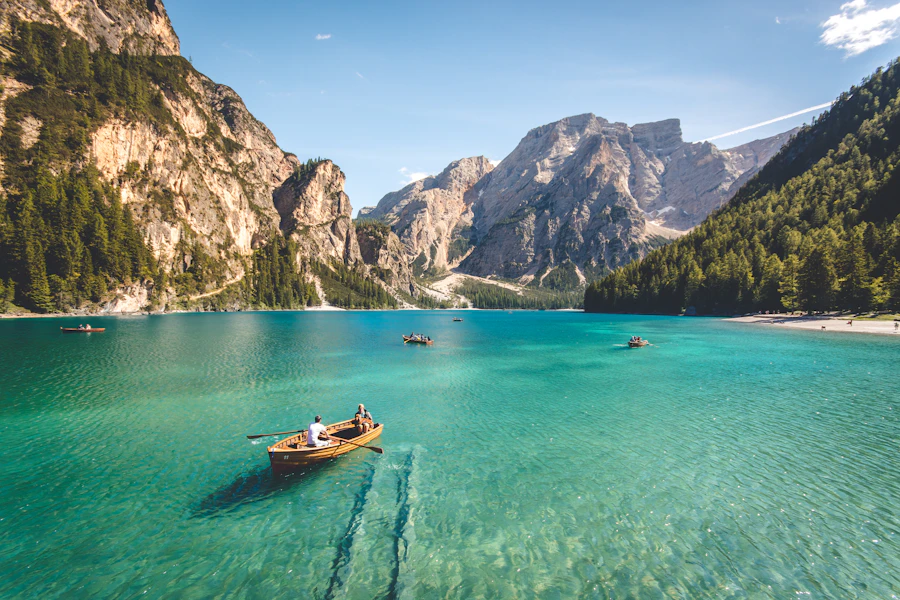
A river basin can be understood as a single living system—from glaciers and highlands, through midlands and lowlands, to deltas and coastal oceans. In this “highlands-to-oceans” context, Hydromet Security becomes more than an idea: it becomes a way to talk about shared dependence and shared risk.
One ambition behind the concept is to imagine pathways toward more stable, cooperative relationships—treating the basin as a common property resource in which all water users have an equitable say in how water is used and shared.

Creeping environmental problems
Not all threats arrive as a headline event. Many are slow-onset and easily ignored: incremental, imperceptible shifts that accumulate into crises. These “creeping environmental problems” can include glacial melt timing, changing seasonality, upstream dams, reduced sediment loads, subsidence, sea-level rise, saltwater intrusion, ecosystem loss, and shifting populations.
Hydromet Security keeps these slow changes in the same conversation as extreme events, because both determine the future reliability of water, safety, and livelihoods across the basin.
What Hydromet Security looks like in practice
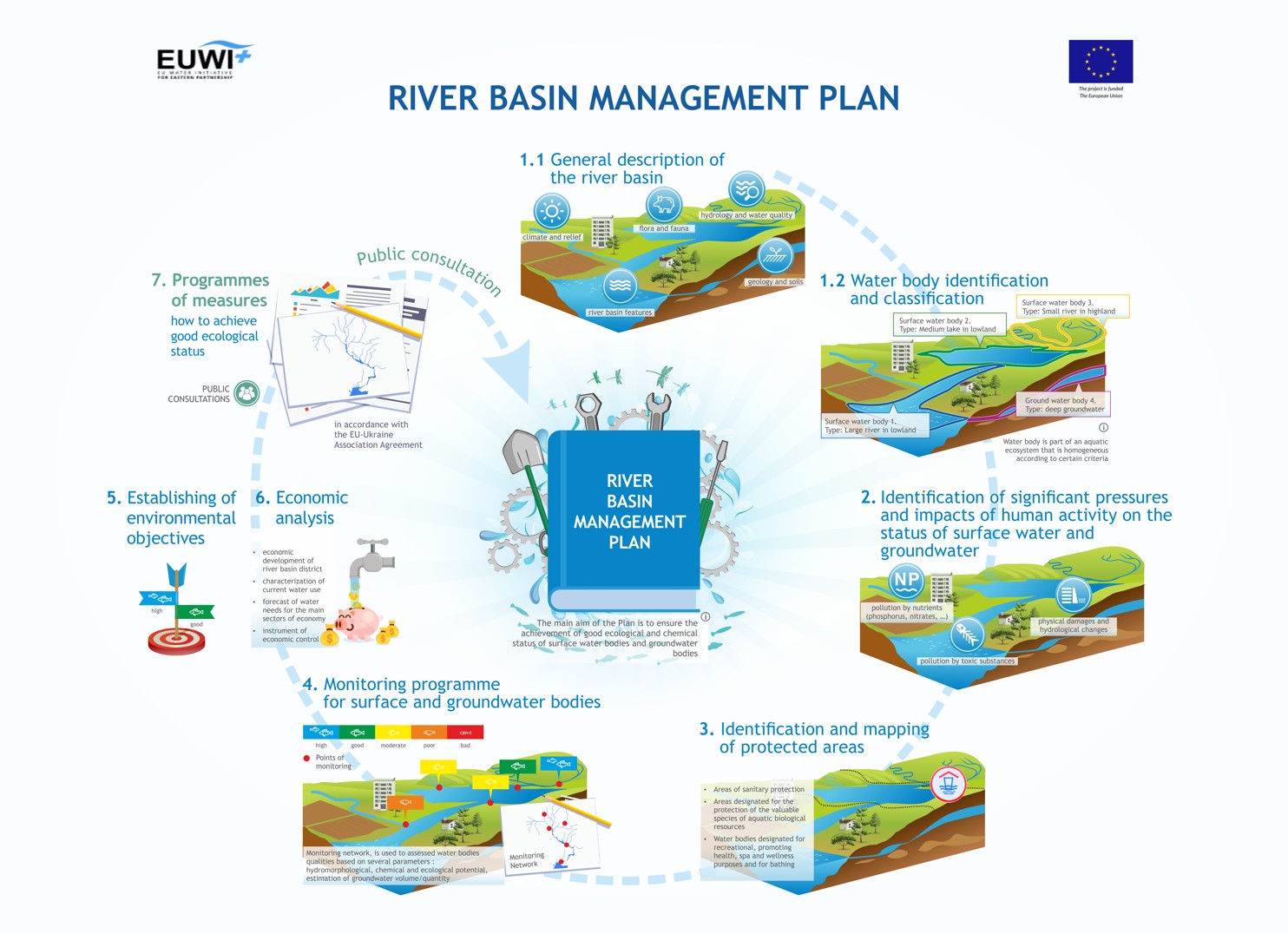
Application begins by treating the basin as a unit—recognizing that what happens in one zone becomes a condition for everyone downstream. Monitoring, data, and forecasts are not “nice to have”; they are inputs to peace, stability, and everyday functioning.
In a warming world, hydromet information needs become specific by place. Glaciers require attention to melt rates and timing; highlands face shifting precipitation and landslide-related flood risks; midlands become pressure points for migration and contested water releases; lowlands deal with floods, water quality, and economic exposure; deltas absorb nearly everything—including coastal storms, sea-level rise, and saltwater intrusion.
Melt timing and rates—daily to seasonal readiness signals.
Seasonality shifts, flash floods, and landslide-dam outburst flood risk.
Migration pressure points, rainfall/groundwater monitoring, contested releases.
Flood exposure, water quality impacts, and downstream dependency.
Coastal storms, sea-level rise, sediment change, saltwater intrusion.
Shared rules, shared data, and a shared ability to act early.
What Hydromet Security Does

Collect
Gather trusted weather, water, and climate observations across the full system—from headwaters to deltas—to establish a shared, reliable picture of changing conditions.

Predict
Transform observations into forecasts and scenarios that describe not only what may happen, but when, where, and with what uncertainty it matters for decisions.
Deliver
Translate forecasts into timely, understandable information that reaches the right people early enough to enable practical and coordinated action.